The Cabildo
Building in New Orleans, Louisiana. Built 1795. Added to the National Register in 1966, and a National Historic Landmark.


What it is
The Cabildo, originally called "Casa Capitular", is a historical building in New Orleans, Louisiana. Originally the seat of Spanish colonial city hall, the building now forms part of the Louisiana State Museum. It is located along Jackson Square, adjacent to St. Louis Cathedral.
Text from Wikipedia, CC BY-SA 4.0.
The record
| Register name | Cabildo, The |
| Property type | Building |
| Address | 701 Chartres St., New Orleans, LA |
| Parish | Orleans Parish |
| Listed | Oct 15, 1966 |
| Listed for | Exploration and settlement, Architecture |
| Level of significance | National |
| Reference number | 66000373 |
| Built | 1795 · more from the 1790s |
| Type of place | museum |
| Style | Baroque |
| Designations | National Historic Landmark |
| Contributing resources | 1 building |
| Standing | Yes |
The nomination form, the document that argues why this place matters, is in the National Archives: Read the nomination ↗
Visiting
| Address | 701 Chartres St., New Orleans, LA |
| Website | louisianastatemuseum.org/museum/cabildo ↗ |
| Coordinates | 29.9576° N, 90.0639° W · Directions ↗ |
| Also in New Orleans | 210 listed places in New Orleans → · walking tour → |
| Nearest national park unit | New Orleans Jazz National Historical Park · under a mile · on Park Atlas |
Explore
Drawings & photographs


Measured drawings and photographs from the Library of Congress. Public domain. All 8 records ↗
Map
Nearby in Orleans Parish


Local history books for New Orleans
We earn a small commission if you buy through these links. It does not change what we list.
Guidebooks to historic places in Louisiana
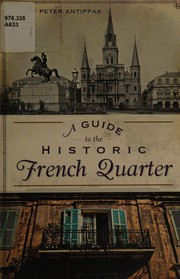
Titles come from Open Library's catalog, matched by subject heading or by title.
Reference
Questions people ask
When was The Cabildo listed on the National Register?
Oct 15, 1966. It is also a National Historic Landmark, the higher of the two designations.
Source: National Park Service
When was The Cabildo built?
1795, in the Baroque style.
Source: Wikidata
Can I visit The Cabildo?
Yes. The Cabildo is recorded as open to the public, and hours are on the official website.
Source: Official website
Where is The Cabildo?
701 Chartres St., New Orleans, Orleans Parish, Louisiana. The nearest national park unit is New Orleans Jazz National Historical Park, under a mile away.
Are there historic photographs or drawings of The Cabildo?
Yes. The Historic American Buildings Survey at the Library of Congress has drawings or photographs of it.
Source: Library of Congress
Where is the nomination form for The Cabildo?
The National Archives holds the nomination form, the document that made the case for listing.
Source: National Archives
Is there cell service at The Cabildo?
FCC coverage maps show Verizon 5G, AT&T 5G, and T-Mobile 5G at the listed point. Coverage indoors and behind old masonry is another matter.
Source: FCC Broadband Map
Sources
Location, type and contributing counts come from the National Park Service's National Register spatial data. Listing dates come from the National Register office's spreadsheet where it carries the listing. Construction date, architect, style, photograph and encyclopedia link come from Wikidata and Wikimedia Commons, matched on reference number 66000373. Nothing here is transcribed by hand. The nomination form and photographs ↗ at NPGallery are the original nomination as filed with the National Park Service, and the form is often the best description of the place. The description under "What it is" is the opening of the Wikipedia article, CC BY-SA. Drawings and photographs are Historic American Buildings Survey records at the Library of Congress, public domain.