Hayes Plantation
Historic house in North Carolina. Built 1814. Added to the National Register in 1973, and a National Historic Landmark.


What it is
Hayes Farm, also known as Hayes Plantation, is a historic plantation near Edenton, North Carolina that belonged to Samuel Johnston (1733–1816), who served as Governor of North Carolina from 1787 to 1789. Johnston became one of the state's first two United States Senators, serving from 1789 until 1793, and served later as a judge until retiring in 1803. Samuel Johnston died in 1816 at "the Hermitage," his home near Williamston in Martin County, N.C. The residence known as Hayes was completed by his son, James Cathcart Johnston, a year after Samuel's death. There are numerous other structures on the property, some predating the Hayes house itself, including the Hayes Gatehouse, which James Johnston lived in prior to the construction of the Hayes house.
Text from Wikipedia, CC BY-SA 4.0.
The record
| Property type | Building |
| Address | E. Water St. Extension, Edenton vicinity, NC |
| County | Chowan County |
| Listed | Nov 7, 1973 |
| Listed for | Architecture |
| Level of significance | National |
| Reference number | 74001341 |
| Built | 1814 · more from the 1810s |
| Type of place | house |
| Style | Federal architecture, Greek Revival architecture |
| Designations | National Historic Landmark |
| Contributing resources | 1 building |
The nomination form, the document that argues why this place matters, is in the National Archives: Read the nomination ↗
Visiting
| Address | E. Water St. Extension, Edenton, NC |
| Coordinates | 36.0502° N, 76.6019° W · Directions ↗ |
| Also in Edenton | 25 listed places in Edenton → |
| Nearest national park unit | Fort Raleigh National Historic Site · 50 miles · on Park Atlas |
Explore
Map
Nearby in Chowan County


Local history books for Edenton
We earn a small commission if you buy through these links. It does not change what we list.
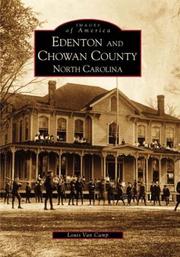
Guidebooks to historic places in North Carolina
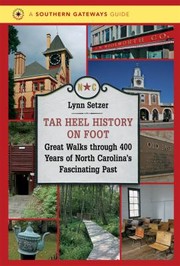 Tar Heel History On Foot Great Walks Through 400 Years Of North Carolinas Fascinating PastLynn Setzer, 2013Find at Bookshop.org
Titles come from Open Library's catalog, matched by subject heading or by title.
Reference
Questions people ask
When was Hayes Plantation listed on the National Register?
Nov 7, 1973. It is also a National Historic Landmark, the higher of the two designations.
Source: National Park Service
When was Hayes Plantation built?
1814, in the Federal architecture and Greek Revival architecture style.
Source: Wikidata
Can I visit Hayes Plantation?
No public access is recorded. A National Register listing recognizes a place; it does not open it to visitors.
Source: National Park Service
Where is Hayes Plantation?
E. Water St. Extension, Edenton vicinity, Chowan County, North Carolina. The nearest national park unit is Fort Raleigh National Historic Site, 50 miles away.
Where is the nomination form for Hayes Plantation?
The National Archives holds the nomination form, the document that made the case for listing.
Source: National Archives
Is there cell service at Hayes Plantation?
FCC coverage maps show Verizon 4G LTE, AT&T 4G LTE, and T-Mobile 5G at the listed point. Coverage indoors and behind old masonry is another matter.
Source: FCC Broadband Map
Sources
Location, type and contributing counts come from the National Park Service's National Register spatial data. Listing dates come from the National Register office's spreadsheet where it carries the listing. Construction date, architect, style, photograph and encyclopedia link come from Wikidata and Wikimedia Commons, matched on reference number 74001341. Nothing here is transcribed by hand. The nomination form and photographs ↗ at NPGallery are the original nomination as filed with the National Park Service, and the form is often the best description of the place. The description under "What it is" is the opening of the Wikipedia article, CC BY-SA.